“Individual products” search results (2000)

Single Italian style (single espresso)
Espresso, which seems to have a broad meaning in coffee, can refer to either a 20ml cup of coffee, an Italian blend of beans, or a specific degree of roasting. In this article, we refer to espresso specifically referring to the cup of 20 milliliters or so made.
2014-07-03 Coffee knowledge individual coffee espresso coffee encyclopedia
Coffee brewing technology using siphon pot to make individual coffee
The siphon pot should be washed and ready for use, and its appearance should be dried to prevent it from bursting in case of fire. Pour 2 portions of hot water into the ball and heat it with an alcohol lamp. Put the filter in the upper half of the container, pull the small spring under the filter to hook to the bottom of the container, and the filter is glued to the bottom entrance to prevent the coffee powder from falling. Take two tablespoons of single powder (such as Colombian coffee or Brazilian coffee) with a spoon, about 10 grams per spoon
2015-01-21 Coffee brewing technology siphon pot single product wash ready for use appearance
Use a siphon pot to make individual coffee
The siphon pot should be washed and ready for use, and its appearance should be dried to prevent it from bursting in case of fire. Pour 2 portions of hot water into the ball and heat it with an alcohol lamp. Put the filter in the upper half of the container, pull the small spring under the filter to hook to the bottom of the container, and the filter is glued to the bottom entrance to prevent the coffee powder from falling. Take two tablespoons of single powder (such as Colombian coffee or Brazilian coffee) with a spoon, about 10 grams per spoon
2014-08-14 Coffee knowledge siphon pot individual coffee coffee encyclopedia
Introduction to the flavor of individual coffee
Light [Bland]: coffee grown in lowlands, usually quite light and tasteless. Coffee with insufficient coffee powder and too much water will have the same light effect. Salty [Briny]: after brewing, if the coffee is overheated, it will produce a salty taste. The fragrance of the earth [Earthy]: commonly used to describe the spicy and earthy Indonesia
2016-06-13 Item Coffee Flavor introduction Light Bland long in lowland
Yega Sheffivoka boutique coffee bean flavor and taste characteristics of individual coffee
Yejassefi's coffee trees were planted by European monks (a bit like Belgian monks growing wheat to brew beer) and were later transferred to farmers or cooperatives. Yejia Xuefei is actually constructed by surrounding coffee communities or cooperatives, including Edido Idido, Hafusa Harfusa, Hama Hama, Biloya, near Fog Valley Misty valley, all washed with water, but also
2016-09-20 Yega Sheffield Wauka boutique coffee beans flavor taste producing area characteristics single product
Common sense of coffee beans types and characteristics of individual coffee beans
Blue Mountain Coffee, Manning Coffee, Italian Coffee. You must often hear that these belong to the category of individual coffee, which usually refers to coffee extracted from the original coffee beans, with a pure taste, strong variety characteristics, and a special taste: or fresh and soft, or mellow and smooth. Usually in order to maximize the mellow aroma of single coffee, usually not added when quoted
2015-02-07 Coffee beans varieties common sense items categories and characteristics Blue Mountain coffee Mante Italian
Ideal extraction of individual coffee beans and reasonable adjustment of coffee extraction method
A cup of coffee needs a proper degree of extraction in order to reflect the style of coffee beans. today, Chongqing Barista barista barista training School wants to share the performance of coffee beans at the ideal extraction degree, through the understanding of the ideal extraction and taste, adjust the coffee extraction method reasonably. A very important point to note about flavor characteristics is that these flavor characteristics have
2015-09-01 Single product coffee beans ideal extraction reasonable adjustment coffee method
The ingredients of coffee beans determine the taste quality of individual coffee.
If you want to make a cup of mellow coffee, the most important thing is to buy good quality coffee beans. More than 3000 kinds of coffee beans are produced in more than 50 countries around the world every year. Generally divided into two categories: Arabica (ARABICA) and Robasta (ROBUSTA). ARABICA is of high quality and slightly sour, but has a strong flavor, while ROBUSTA has a strong flavor, usually with other coffee beans.
2015-03-02 Coffee beans materials orders coffee taste quality if you want make a cup mellow
What are the ingredients of coffee beans? what are the main nutritional components of individual coffee beans?
Caffeine is the most eye-catching of all the ingredients in coffee. It is a kind of phytoxanthin (animal muscle component). It has the same properties as theobromine contained in cocoa, green tea contains the same theophylline, and the percentage of reduction after baking is very small. Caffeine has a very extensive effect. It will affect various parts of the human brain, heart, blood vessels, gastrointestinal tract, muscles and kidneys, and the right amount of caffeine will.
2016-01-20 Coffee beans which ingredients individual products varieties main nurturance sub-table caffeine coffee
How to use the Saifeng pot in the basic knowledge of making individual coffee?
Syphon, commonly known as "glass ball" or "siphon", is a simple and easy-to-use method of coffee brewing, and it is also one of the most popular coffee brewing methods in cafes. Although the Saifeng kettle has the alias of "siphon", it has nothing to do with the siphon principle, but uses water heating to produce water vapor, resulting in the principle of hot expansion and cold contraction, pushing the hot water from the lower sphere to the upper pot and waiting for the lower pot to cool.
2015-01-21 Production individual products coffee basics common sense how to use plug wind pot plug air pot S
Individual coffee beans Central America Guatemala coffee beans
Guatemalan coffee (Guatemala Coffee), Guatemala coffee beans. Guatemalan coffee is produced in the The Republic of Guatemala countries of northwestern Central America. The mountain forest area of the country accounts for 2/3 of the country's area, and it is rich in high-quality coffee beans. Guatemalan coffee beans belong to bourbon coffee beans, which are sour, mellow and slightly wild.
2014-09-18 Individual coffee beans Central American Guatemalan coffee beans
Basic knowledge of boutique coffee what is single coffee?
Individual coffee is made from a single coffee bean produced in the country of origin and is a pure coffee without milk or sugar when drinking. Have strong characteristics, special taste: or fresh and soft, or mellow smooth; the cost is higher, so the price is more expensive. For example, the famous Blue Mountain Coffee, Brazilian Coffee, Italian Coffee and Colombian Coffee are all named after the origin of coffee beans.
2014-12-25 Boutique coffee basics common sense what single product that is origin
The definition of good coffee and bad coffee
Since you click on this text, there is a 70% chance that you are a coffee lover, not because of hand disability. Then the kingdom of du du decided to use the limited time to give you a little practical coffee common sense, which may help you correct your coffee concept and better enjoy the taste of coffee. Good coffee VS bad coffee now many coffee shops offer roasted boutique coffee
2015-09-10 For coffee definition since you order this article then there is 70%.
How to find a cup of coffee that suits you
Coffee gives people the first impression of a refreshing drink. If you are used to drinking fancy coffee in coffee chains, have you ever thought of looking for a cup of coffee that suits you? As a matter of fact, individual coffee is not as bitter as we think. Different places of origin and depth of roasting can produce coffee with different tastes. After tasting carefully, you will find that the aroma, acidity,
2015-03-11 How to find a cup fit own single product coffee give people first
El Salvador is one of the small countries in Central America with a balanced flavor of individual coffee.
Boutique coffee is fresh coffee. Whether it's food or drink, of course, the fresh the better, and so is boutique coffee. High-quality coffee should keep the coffee beans fresh before making, including the preservation of baked beans, and grind the coffee beans into powder before making, which is also to retain its original and best flavor. And the way of making hand-made coffee is such a way to make high-quality coffee.
2016-06-01 El Salvador Central America small countries one single coffee balanced flavor boutique
What is a single cup of coffee? What is a cup of coffee? Guatemalan Coffee Manning Coffee Jane
What is a cup of coffee? Individual coffee is made from a single coffee bean produced in the country of origin, and it is a pure coffee with no milk or sugar when drinking. It has strong characteristics. People who like to drink coffee are generally fascinated by individual coffee. Because whether we drink instant coffee or a certain brand of coffee, the concentration of coffee is very low. At best, it can only be called
2016-01-29 What do you mean single product coffee what is it Guatemala Mante coffee?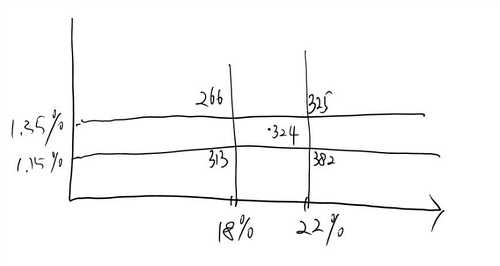
General knowledge on the concept of Powder-Water ratio of individual Coffee
The horizontal axis is the extraction rate, the vertical axis is the concentration, assuming that the coffee powder is 20g, then the coffee liquid obtained when the concentration is 1.35% within the gold cup and the extraction rate is 18%. The coffee liquid obtained when the extraction rate is 1.35%, 1.35%, 266g, 1.35%, 1.35%, and the extraction rate is increased to 22%. The coffee liquid is 20, 22%, 1.35%, and 325g. The extraction rate will remain 22%. The constant concentration will be 1.15%. The liquid of coffee is 20% 22% Coffee 1.1.
2015-03-13 About single product coffee powder proportion concept common sense horizontal axis extraction rate vertical axis
Unique coffee naming
Coffee lovers will notice that many coffee is named after the name of the country, or words related to the name of the country, such as common Brazilian coffee, Colombian coffee, Italian coffee, Irish coffee, American coffee, etc., so what is the relationship between the name of these coffee and the name of the country, and what is the specific reason for this naming? The first thing involved here is
2014-09-02 Coffee naming
Several frequently asked questions: espresso Espresso and single Coffee Zone espresso
First, a brief introduction to the concept of espresso and single coffee. Espresso: if you want to use the data for a general explanation, it means that 7g of powder is extracted by water at 92 degrees at nine atmospheres for 25,30 seconds to get 30ml coffee. The resulting 30ml coffee is called Espresso. Individual coffee: made from only coffee beans from a country or a producing area.
2016-03-15 Several FAQ Italian Coffee Espresso individual strong
Costa Rican Coffee individual Coffee Historical Origin and quality
The history of coffee cultivation in Colombia can be traced back to the Spanish colonial era in the 16th century, and there are many theories about the history of coffee in Colombia: one: it is said to come from the island of Haiti in the Caribbean and from El Salvador in Central America. Second: in 1808, a priest introduced coffee beans to Colombia for the first time from the French Antilles via Venezuela. One of them
2016-05-25 Costa Rica coffee individual products history traceability origin quality Colombia species